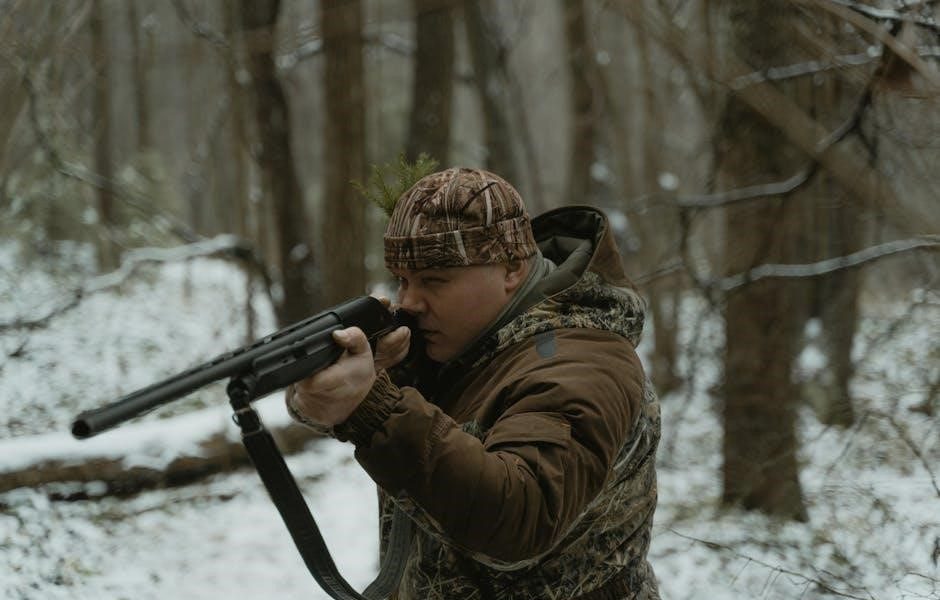
tn turkey hunting guides
Tennessee Turkey Hunting Guides: A Comprehensive Overview (2026)
Tennessee’s 2026 spring turkey season promises a lengthy opportunity, boasting clear regulations and accessible public lands via WMAs for dedicated hunters.
Tennessee presents a rewarding experience for turkey hunters, with all 95 counties generally open during the spring season, though specific public land restrictions apply – consult the TWRA guide. The state’s appeal lies in its extended season, allowing ample time to pursue these challenging birds. Hunters can harvest up to two turkeys, with considerations for jakes, and benefit from extensive public access through Wildlife Management Areas (WMAs).
Recent data indicates active participation, with over 117,000 hunters engaging in the 2023 season. However, awareness of potential population declines in certain areas is crucial for responsible hunting practices and conservation efforts.
Understanding Turkey Hunting Regulations in Tennessee
Tennessee’s turkey hunting regulations are detailed within the annual Tennessee Fishing, Hunting, and Trapping Guide published by the TWRA. Hunters must adhere to specific licensing requirements, varying for residents and non-residents, and be aware of legal shooting hours. Proper identification of harvested turkeys is mandatory, and reporting procedures must be followed diligently.
Understanding WMA-specific rules is vital, as exceptions to statewide regulations often exist on public lands. Staying informed about quota hunt application processes and associated zone availability is also essential for maximizing hunting opportunities.
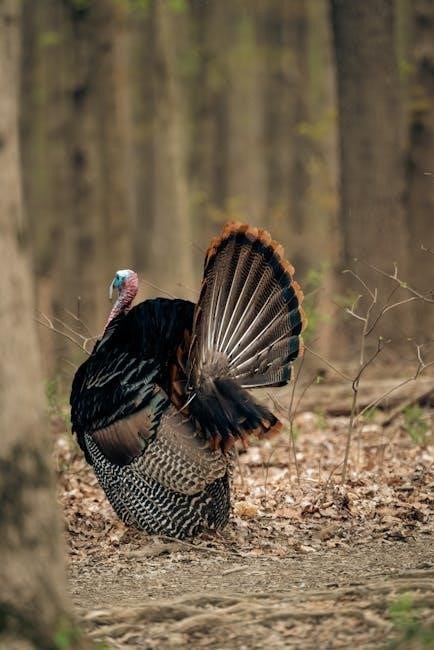
Season Dates and Bag Limits
Tennessee’s 2026 spring turkey season begins with a youth weekend, followed by a general season running from April 11th to May 24th, with a two-bird limit.
2026 Spring Turkey Season Dates
Tennessee’s highly anticipated 2026 spring turkey hunting season is structured to maximize opportunities for hunters across the state. The season officially kicks off with a dedicated youth-only weekend, providing a special chance for young hunters to experience the thrill of the chase. Following the youth weekend, the general season opens its doors, running from April 11th through May 24th.
This extended timeframe allows hunters ample time to pursue the elusive wild turkey. All 95 counties within Tennessee are open for spring turkey hunting, though specific regulations may apply on public lands, as detailed in the Tennessee Wildlife Resources Agency’s (TWRA) comprehensive guide.
Tennessee Turkey Bag Limits: Male vs. Jake
Tennessee’s turkey bag limits for the 2026 spring season offer hunters a rewarding experience, while also supporting sustainable turkey population management. The general bag limit allows for the harvest of two male turkeys (toms) throughout the season. A significant aspect of Tennessee’s regulations involves “jakes,” which are young male turkeys with shorter beards.
Hunters are permitted to harvest one jake per season, but it must be in addition to, or in lieu of, a mature tom. This rule encourages the harvest of older birds and allows for continued growth of the younger generation, contributing to a healthy turkey population within the state.
Youth Turkey Hunting Weekend
Tennessee prioritizes introducing the next generation to the sport of turkey hunting with a dedicated Youth Turkey Hunting Weekend preceding the general spring season. This special weekend provides an exclusive opportunity for young hunters, aged 6-16, to experience the thrill of the hunt under the guidance of experienced adult mentors.
Youth hunters must be accompanied by a licensed adult 21 or older, and both must adhere to all applicable hunting regulations. It’s a fantastic way to foster a love for the outdoors and ensure the future of Tennessee’s hunting heritage.
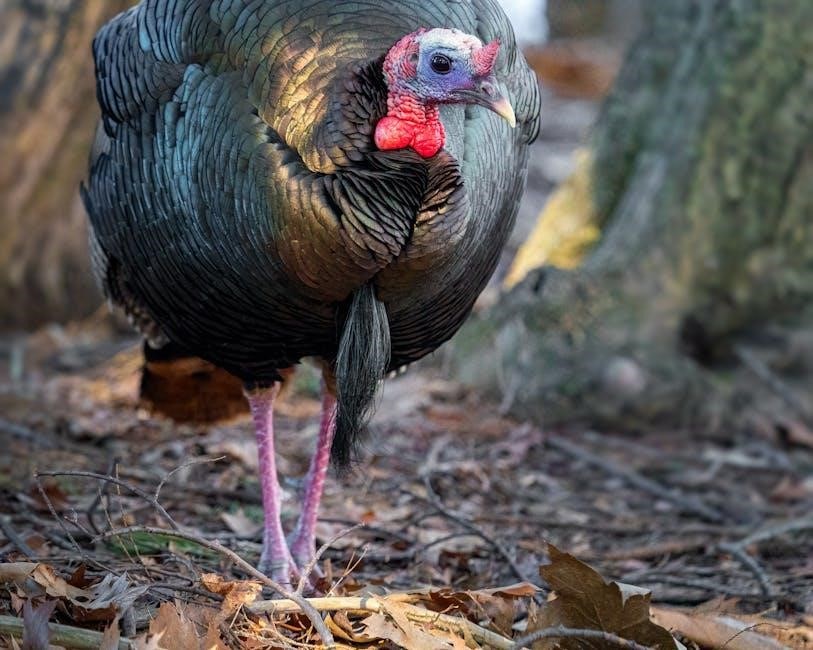
Hunting Zones and WMAs
Tennessee divides hunting areas into zones, while Wildlife Management Areas (WMAs) offer substantial public land access for turkey hunters throughout the state.
Tennessee Hunting Zones Explained
Tennessee doesn’t explicitly define rigid “hunting zones” for turkey, unlike some states with complex zone systems. However, the Tennessee Wildlife Resources Agency (TWRA) manages hunting regulations based on county lines and specific Wildlife Management Area (WMA) boundaries. All 95 counties are generally open for spring turkey seasons, though public land exceptions exist, detailed in the TWRA’s annual Fishing, Hunting, and Trapping Guide.
Hunters should always consult this guide for localized rules, as WMAs often have unique season dates, bag limits, or permit requirements. Understanding these nuances is crucial for legal and ethical hunting practices; The TWRA website provides interactive maps and detailed information regarding each WMA, aiding hunters in planning their pursuits effectively.
Wildlife Management Areas (WMAs) for Turkey Hunting
Tennessee’s Wildlife Management Areas (WMAs) represent prime public land opportunities for turkey hunters. These areas offer diverse habitats, from mature forests to open fields, attracting a substantial turkey population. However, WMA regulations vary significantly; hunters must consult the TWRA’s annual Fishing, Hunting, and Trapping Guide for specific rules regarding season dates, bag limits, and required permits for each WMA.
Popular WMAs include Land Between The Lakes, Fort Pillow, and Obed River, but numerous others provide excellent hunting. Be aware of potential exceptions on public land within WMAs, ensuring compliance with all posted regulations and TWRA guidelines.
Public Land Hunting Opportunities
Tennessee provides extensive public land access for turkey hunters, supplementing private land options. Beyond WMAs, national forests and certain state forests offer hunting opportunities, though regulations differ. Hunters should meticulously review TWRA guidelines and maps to identify accessible areas and understand specific restrictions.
Successful public land turkey hunting demands diligent scouting, as pressure can be higher. Identifying overlooked pockets of habitat and adapting strategies accordingly is crucial. Remember that all 95 counties are generally open, but always verify local rules.
Turkey Hunting Techniques
Tennessee turkey hunters employ varied tactics, including realistic calling—yelps, clucks, and purrs—combined with strategic decoy setups to lure wary birds into range.
Calling Techniques: Yelps, Clucks, and Purrs
Tennessee turkey calling demands mastery of several vocalizations. The yelp, a foundational call, imitates a lost turkey, attracting attention from a distance; Clucks signal contentment or investigation, useful when a bird is nearby. Purrs convey subtle communication, often employed to coax a hesitant tom closer.
Successful hunters vary cadence and volume, mimicking natural turkey speech. Understanding how turkeys respond to different calls in Tennessee’s varied terrain is crucial. Practice and observation are key to effectively using these techniques, increasing your chances of bringing a gobbler into shotgun range. Mastering these sounds is paramount for a rewarding hunt.
Decoy Strategies for Tennessee Turkeys
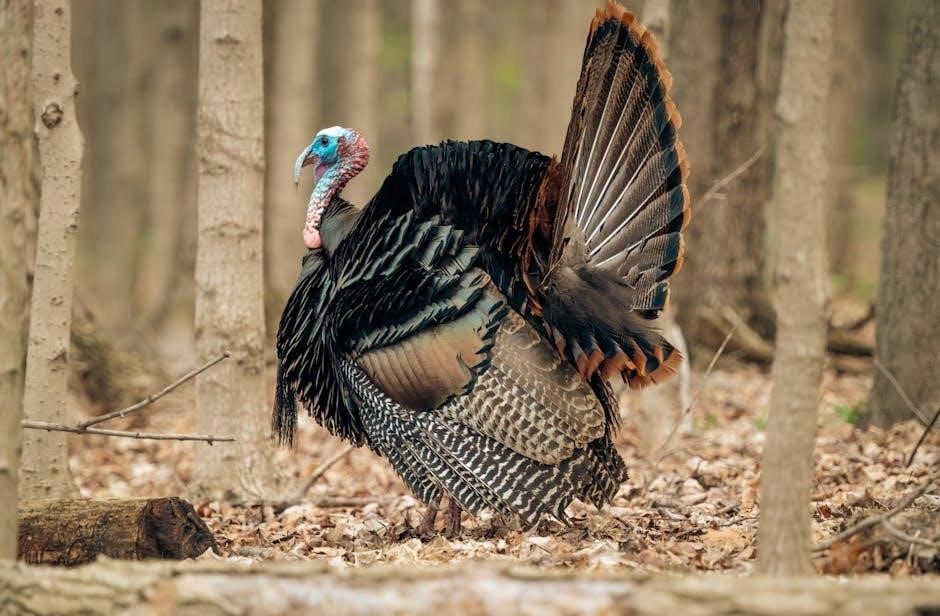
Tennessee turkey hunting benefits greatly from strategic decoy placement. Utilizing a hen decoy can provoke a jealous response from dominant toms, drawing them closer. Jake decoys, mimicking a submissive male, can also entice a response, particularly during the peak of breeding season.
Consider terrain and wind direction when setting up. A realistic arrangement, coupled with subtle calling, maximizes effectiveness. Hunters should observe turkey movement patterns to determine optimal decoy locations. Remember, less is often more; avoid over-decoying, which can spook wary birds in Tennessee’s woodlands.
Scouting for Turkey Hunting Locations
Tennessee turkey scouting requires diligent pre-season effort. Focus on identifying areas with recent turkey sign – tracks, droppings, and scratchings. Pay attention to hardwood forests, fields with fresh growth, and areas near water sources, as turkeys frequent these locations.
Utilize topographic maps and aerial imagery to pinpoint potential roosting sites and travel routes. Observe turkey movement patterns at dawn and dusk. Consistent scouting throughout the season allows adaptation to changing conditions and increases the likelihood of a successful Tennessee hunt.
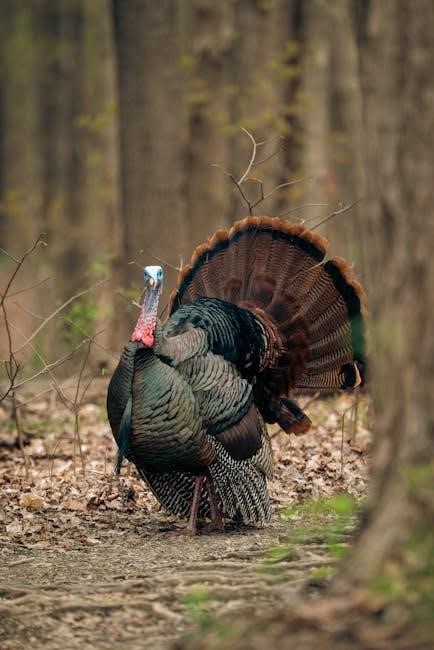
Gear and Equipment
Tennessee turkey hunters need essential gear: shotgun, ammunition, camouflage, calls, and a decoy. Proper preparation ensures safety and maximizes hunting success in the field.
Essential Turkey Hunting Gear Checklist
Preparing for a Tennessee turkey hunt demands a comprehensive gear checklist. First, a reliable shotgun, appropriately gauged for turkey hunting, is paramount, alongside specialized ammunition. Camouflage clothing, blending seamlessly with the Tennessee woodlands, is crucial for concealment. Don’t forget essential calls – yelpers, cluckers, and purrs – to mimic turkey vocalizations.
A quality decoy set can significantly increase your chances of success. Binoculars are vital for scouting and identifying birds at a distance. A comfortable, supportive hunting vest keeps essentials organized and accessible. Navigation tools, like a compass or GPS, are essential for public land exploration. Finally, prioritize safety with a first-aid kit and blaze orange for visibility.
Shotgun and Ammunition Recommendations
For Tennessee turkey hunting, a 12-gauge or 20-gauge shotgun is generally recommended, offering a balance of power and manageable recoil. Shotgun bore diameter should be optimized for turkey loads. When selecting ammunition, consider using heavier-than-lead loads, specifically designed for turkey hunting, featuring tightly patterned shotshells.
Number 4 or 5 shot are popular choices, maximizing the pellet density within the effective range. Ensure your shotgun is properly choked for optimal pattern performance. Patterning your shotgun with different loads is crucial to determine the most effective combination for your firearm and typical hunting distances in Tennessee.
Turkey Hunting Clothing and Camouflage
Effective turkey hunting in Tennessee demands camouflage that blends seamlessly with the spring woodlands. Opt for patterns mimicking the local foliage, such as Mossy Oak or Realtree, in shades of green, brown, and gray. Layering clothing is essential, allowing for adjustments based on fluctuating temperatures.
Breathable fabrics are preferred for comfort during active movement. A full head net and gloves are crucial for concealing your face and hands. Avoid bright colors or shiny materials that could spook wary turkeys. Prioritize quiet clothing materials to minimize noise during stalks and setup.
Turkey Population and Trends
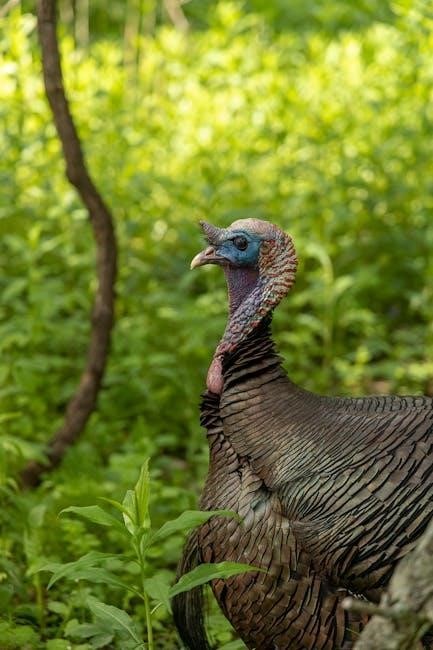
Tennessee saw roughly 117,680 hunters participate in the 2023 spring season; however, recent data indicates a concerning decline in turkey numbers statewide.
Recent Turkey Population Statistics in Tennessee (2024/2025)
Tennessee Wildlife Resources Agency (TWRA) data reveals a complex picture of the turkey population. While approximately 117,680 hunters enjoyed the 2023 spring season, reports from spring 2024 indicate potential declines in certain areas. This has prompted concern among hunters and wildlife officials alike. The TWRA is actively monitoring these trends, analyzing harvest data, and conducting surveys to better understand the factors influencing turkey numbers. Preliminary findings suggest localized decreases, particularly in Middle Tennessee, necessitating ongoing assessment and potential management adjustments to ensure sustainable populations for future hunting seasons.
Factors Affecting Turkey Population Decline
Several interconnected factors contribute to observed turkey population declines in Tennessee. Habitat loss and fragmentation, driven by development and altered land use, reduce nesting and foraging areas. Increased predator pressure, including coyotes and bobcats, impacts poult survival rates. Weather patterns, specifically prolonged periods of rain during nesting season, can significantly lower reproductive success. Disease outbreaks, though less frequent, also pose a threat. The TWRA is investigating these elements to develop effective conservation strategies and mitigate these challenges for healthier turkey flocks.
TWRA Turkey Management Programs
The Tennessee Wildlife Resources Agency (TWRA) implements diverse programs to bolster turkey populations. These include habitat enhancement projects, such as prescribed burning and forest management, to create optimal breeding and foraging grounds. The TWRA actively monitors turkey populations through harvest data analysis and brood surveys. Predator management strategies are employed in select areas. Furthermore, the agency conducts research to better understand turkey behavior and disease dynamics, informing future conservation efforts and ensuring sustainable hunting opportunities for all Tennesseans.
Applying for Turkey Quota Hunts
Tennessee’s 2026 spring turkey quota hunt applications open in December, offering hunters a chance to secure permits for designated zones with limited availability.
Spring Turkey Quota Hunt Application Process
Tennessee’s Spring Turkey Quota Hunt application process is conducted online through the Tennessee Wildlife Resources Agency (TWRA) website. Hunters must possess a valid Tennessee hunting license and appropriate game bird permit to apply. The application period typically opens in December and closes in January, with specific dates announced annually by the TWRA.
Applicants must select their preferred quota hunt zones, understanding that success rates vary significantly depending on zone demand and permit availability. A random drawing determines permit allocation, and applicants are notified of results shortly after the draw. Successful applicants receive authorization to hunt within their assigned zone during specified dates.
Quota Hunt Zones and Availability
Tennessee divides its quota hunt opportunities into various zones, each with differing levels of turkey population and hunting pressure. Zone availability fluctuates annually based on TWRA population surveys and management objectives. Some zones, particularly those with limited access or higher turkey densities, experience significantly higher demand and lower draw odds.
Hunters should carefully review the TWRA’s Tennessee Hunting and Trapping Guide for detailed zone maps and permit allocation information. Availability is dynamic; checking the TWRA website for the most current updates before applying is crucial for informed decision-making.
Understanding Quota Hunt Success Rates
Tennessee’s spring turkey quota hunt success rates vary considerably depending on the specific zone applied for and overall hunter participation. Highly sought-after zones often exhibit lower draw probabilities, meaning applying doesn’t guarantee a permit. Historically, some WMAs demonstrate higher success rates due to concentrated turkey populations and limited hunter access.
The TWRA doesn’t publish precise success rates for each zone, but past application data can offer insights. Hunters should temper expectations and consider applying for multiple zones to increase their chances of securing a permit for a rewarding Tennessee turkey hunt.
Safety Considerations for Turkey Hunters
Tennessee hunters must complete safety education and practice safe gun handling; identifying hazards is crucial during the spring season for a secure experience.
Hunter Safety Education Requirements
Tennessee mandates hunter safety education for all hunters born after January 1, 1969, before they can obtain a hunting license. This comprehensive course covers firearm safety, wildlife management, ethics, and responsible hunting practices. Successful completion involves passing a written exam and demonstrating safe firearm handling skills.
The Tennessee Wildlife Resources Agency (TWRA) offers various hunter safety courses, including traditional classroom instruction and online options. Online courses require a follow-up field day for hands-on training. Proof of completion, such as a hunter safety card, is essential when purchasing a hunting license. Prioritizing safety ensures a responsible and enjoyable hunting experience for everyone.
Safe Gun Handling Practices
Tennessee turkey hunters must prioritize firearm safety at all times. Always treat every firearm as if it’s loaded, maintaining control and pointing it in a safe direction. Keep your finger off the trigger until ready to shoot, and be certain of your target and what lies beyond it.
Unload firearms when crossing obstacles, navigating difficult terrain, or approaching buildings. Utilize proper carrying techniques, and never climb with a loaded firearm. Store guns securely, unloaded, and out of reach of children. Consistent adherence to these practices minimizes risk and promotes responsible hunting.
Identifying and Avoiding Potential Hazards
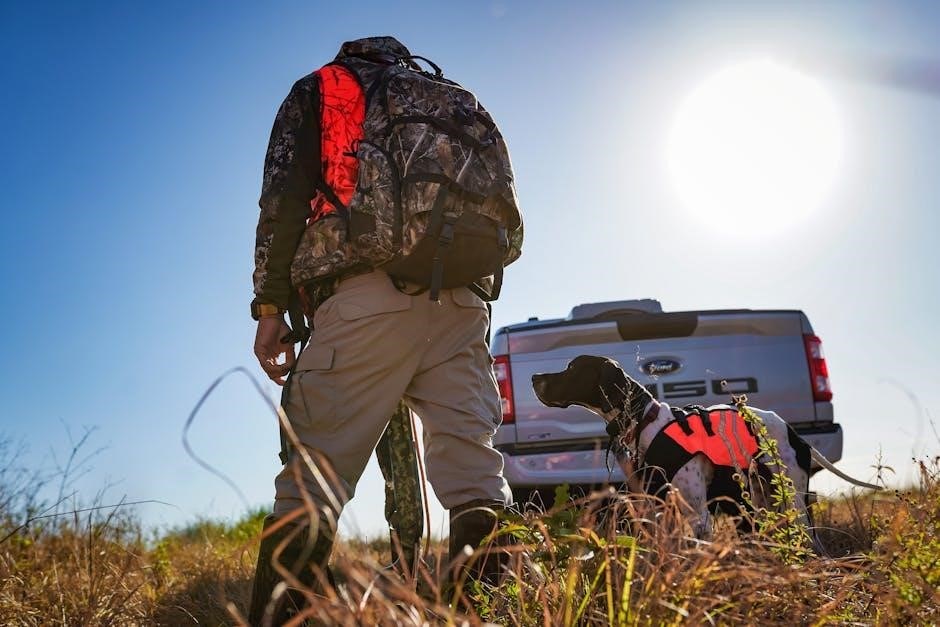
Tennessee’s turkey woods present various hazards. Hunters should be aware of uneven terrain, potential for slips, and falling branches. Be mindful of other hunters – wear blaze orange, especially during peak seasons, and practice clear communication. Poisonous plants like poison ivy and oak are common; learn to identify and avoid them.
Wildlife encounters, including snakes and bears, are possible. Carry insect repellent and check for ticks. Weather conditions can change rapidly; prepare for varying temperatures and potential storms. Prioritize situational awareness to ensure a safe and enjoyable hunt.
Resources for Tennessee Turkey Hunters
TWRA’s website and the Tennessee Hunting and Trapping Guide are essential resources, alongside local outfitters, for planning a successful turkey hunt.
Tennessee Wildlife Resources Agency (TWRA) Website
The Tennessee Wildlife Resources Agency (TWRA) website, tn.gov/twra, serves as the central hub for all turkey hunting information. Hunters can access the latest regulations, season dates, and bag limits directly from this platform. Detailed maps of Wildlife Management Areas (WMAs) are available, alongside specific rules for each location.
Furthermore, the TWRA website provides access to harvest reports, population statistics, and educational resources on turkey behavior and management. Quota hunt applications are submitted online through the TWRA portal, and hunters can check their application status there. Staying updated with the TWRA website is crucial for a legal and successful hunt.
Tennessee Hunting and Trapping Guide
The annual Tennessee Hunting and Trapping Guide is an essential resource for all turkey hunters. This comprehensive publication details all hunting regulations, licensing requirements, and legal shooting hours for the 2025-26 season. It outlines specific rules for each county and WMA, including any exceptions to statewide regulations.
Hunters will find detailed information on turkey identification, safe hunting practices, and ethical considerations within the guide. It’s available online as a downloadable PDF and in print at TWRA offices and license agents, ensuring accessibility for all Tennessee sportsmen.
Local Turkey Hunting Outfitters and Guides
For hunters seeking a guided experience, Tennessee boasts numerous reputable turkey hunting outfitters and guides. These professionals offer expertise in scouting, calling, and navigating local terrain, significantly increasing your chances of success. Outfitters often provide access to private land with healthy turkey populations.
Services typically include fully guided hunts, lodging, and meal packages. Choosing a licensed and insured outfitter is crucial; verify their credentials with the TWRA. Local guides can tailor hunts to skill levels, from beginners to experienced hunters, ensuring a memorable and productive turkey season.
Legal Aspects of Turkey Hunting
Tennessee requires proper licensing for all turkey hunters, with distinctions between residents and non-residents; adherence to legal shooting hours is mandatory.
Licensing Requirements for Residents and Non-Residents
Tennessee mandates that all turkey hunters possess a valid hunting license and turkey permit. Resident hunting licenses are available to individuals meeting residency criteria, typically requiring 180 days of physical presence in the state. Non-residents must obtain a non-resident hunting license and appropriate turkey permits.
The TWRA (Tennessee Wildlife Resources Agency) offers various license options, including annual and short-term permits. Hunters should consult the current Tennessee Hunting and Trapping Guide for specific costs and requirements. Failure to comply with licensing regulations can result in fines and other penalties. Always verify current regulations before each hunt.
Legal Shooting Hours
Tennessee establishes specific legal shooting hours for turkey hunting, generally beginning 30 minutes before sunrise and ending 30 minutes after sunset. These times vary throughout the season and are dependent on the specific date and location within the state. Hunters are legally obligated to adhere strictly to these designated times.
The TWRA (Tennessee Wildlife Resources Agency) publishes precise shooting hour charts annually in the Tennessee Hunting and Trapping Guide. Utilizing a reliable sunrise/sunset calculator alongside the official TWRA guide is crucial for ensuring compliance and avoiding potential legal repercussions. Hunting outside these hours is unlawful.
Reporting Harvested Turkeys
Tennessee mandates that all harvested turkeys be reported to the TWRA (Tennessee Wildlife Resources Agency) within 24 hours of harvest. This reporting requirement is essential for accurate population monitoring and effective wildlife management practices throughout the state.
Hunters can conveniently report their harvests through the TWRA’s online system, via the TWRA mobile app, or by calling the TWRA’s designated reporting hotline. Accurate reporting of harvest data, including location and date, is vital for conservation efforts and future hunting season adjustments.
Preparing for Your Hunt
Successful Tennessee turkey hunts demand pre-season scouting, understanding turkey behavior, and ensuring adequate physical conditioning for navigating varied terrain.
Physical Conditioning for Turkey Hunting
Tennessee’s terrain often requires substantial walking, sometimes over uneven ground and through dense woods, making physical preparedness crucial for a successful and enjoyable hunt. Hunters should focus on building cardiovascular endurance through activities like hiking or brisk walking, preparing for long days spent tracking turkeys.
Strength training, particularly targeting legs and core, will aid in navigating challenging landscapes and maintaining stability while shooting. Practicing with your hunting gear, including a loaded vest, during training hikes will simulate real-world conditions. Remember, a physically fit hunter is a safer and more effective hunter, increasing the chances of a rewarding experience in the Tennessee wilderness.
Pre-Season Scouting and Planning
Thorough pre-season scouting is paramount for Tennessee turkey hunters, involving identifying potential roosting areas, travel routes, and feeding grounds. Utilize maps, aerial imagery, and on-the-ground observation to pinpoint likely turkey locations. Look for scratchings, droppings, and feather piles as indicators of turkey activity.
Develop a hunting plan considering wind direction, terrain features, and potential escape routes. Familiarize yourself with the specific WMAs or hunting zones you intend to hunt, noting any regulations or restrictions. Effective planning significantly increases your odds of encountering a mature tom during the 2026 season.
Understanding Turkey Behavior Patterns
Tennessee turkeys exhibit distinct behavioral patterns influenced by breeding season, weather, and hunting pressure. Toms respond to hen vocalizations, making calling techniques effective, but understanding their mood is crucial. Early season finds toms actively seeking hens, while later, they become more call-shy.
Observe how turkeys utilize terrain, favoring edges and open areas for strutting and displaying. Recognizing these patterns allows hunters to anticipate turkey movements and position themselves for successful encounters during the 2026 spring season, increasing harvest opportunities.
Related Posts

proverbs 31 study guide
Dive deep into the timeless wisdom of Proverbs 31! This study guide offers practical insights & encouragement to live a life of faith, strength, & grace. Discover your potential!

scouts guide to the zombie apocalypse boob
Discover the ultimate zombie survival tips and hilarious adventures with the scouts! Your go-to guide for apocalypse prep and laughs.

th3210d1004 installation guide
Learn how to install your TH3210D1004 with our comprehensive, easy-to-follow guide. Get your device up and running effortlessly!